Biofertilizers are products that contain living, beneficial microorganisms. Applied to seed, soil or the root zone, these microbes settle around the roots and help the plant get more from the soil, either by fixing nitrogen from the air or by releasing phosphorus and potassium that is already in the soil but locked away.
Why soil nutrients are not always available
Many soils hold large reserves of phosphorus and potassium, but much of it is bound to soil minerals in forms roots cannot absorb. A good share of the phosphate applied as fertilizer is also “fixed” in the soil soon after application, particularly in acidic or calcareous soils. Nitrogen, on the other hand, is easily lost through leaching and volatilisation.
Biofertilizers tackle these problems biologically, working alongside the crop throughout the season.
The three main groups
Nitrogen-fixing bacteria (NFB)
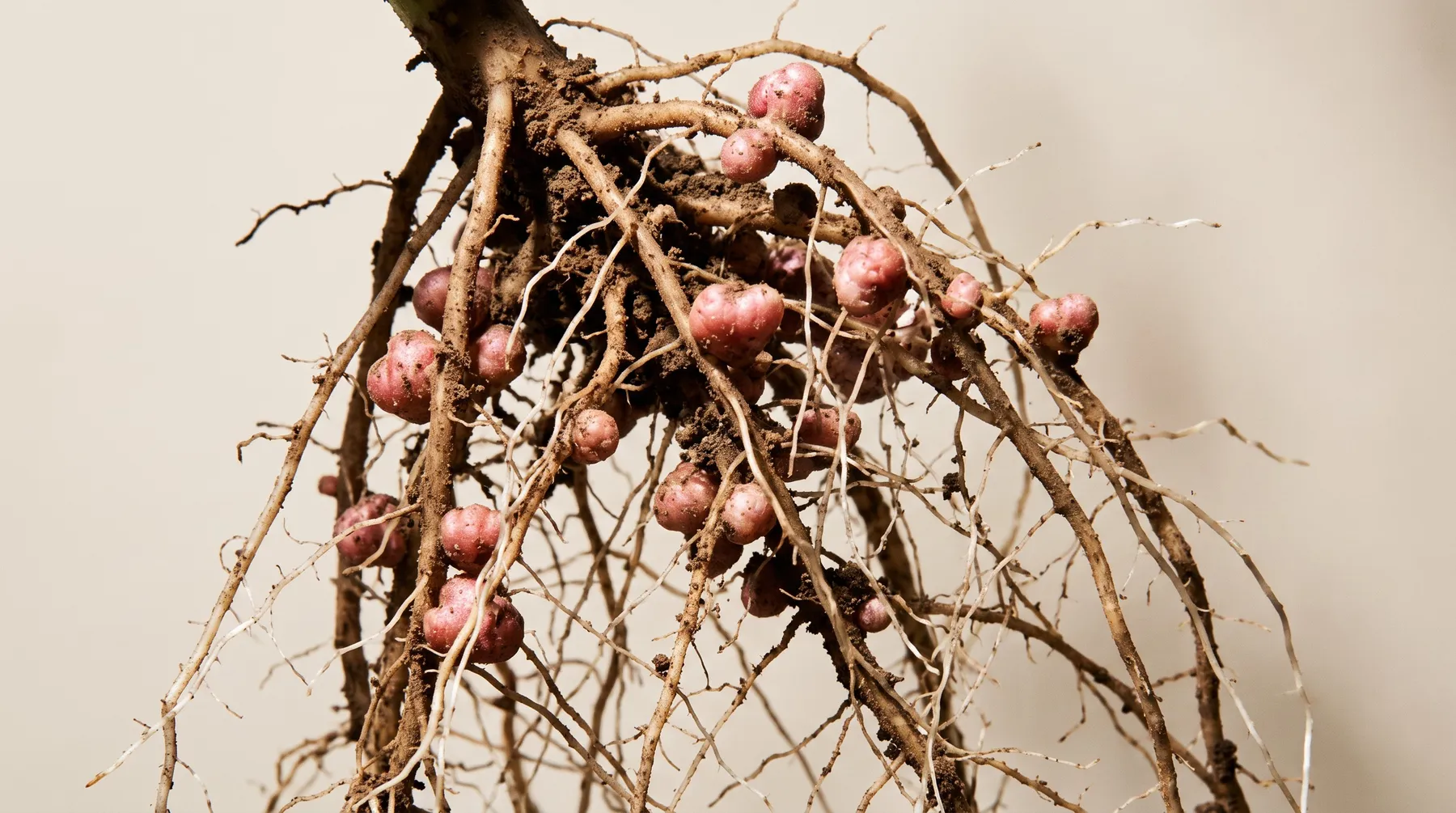
Bacteria such as Azotobacter, Azospirillum and Rhizobium convert nitrogen from the air into forms plants can use. Rhizobium partners with pulses and other legumes, while Azotobacter and Azospirillum live freely in the soil or in association with roots, and suit cereals, vegetables and many other crops.
Phosphate-solubilizing bacteria (PSB)
PSB, including certain Bacillus and Pseudomonas species, release organic acids and enzymes that dissolve insoluble phosphates. The phosphorus they free up supports root growth, flowering and seed formation.
Potassium-mobilizing bacteria (KMB)
KMB release potassium held in soil minerals. Potassium strengthens stems, helps the plant regulate water and contributes to grain and fruit quality.
Why use a consortium?
A consortium combines several of these groups in one product, so a single application supports nitrogen, phosphorus and potassium availability together. That is the idea behind Uzhavan NPK Consortium liquid and Uzhavan Stryker granules.
How biofertilizers are applied
- Seed treatment: coating seed before sowing so the microbes are present as soon as roots emerge.
- Root dipping: dipping seedling roots just before transplanting, common in paddy and vegetables.
- Soil application: mixing with well-decomposed farmyard manure (FYM) or compost and spreading in the field.
- Drip irrigation: injecting liquid formulations through the drip system, straight to the root zone.
Biofertilizers and chemical fertilizers
Biofertilizers work best as part of integrated nutrient management, not as an overnight replacement for every fertilizer. By improving nutrient availability and soil biology, they help crops use fertilizers more efficiently and, over successive seasons, support healthier, more productive soil. A soil test is still the best starting point for deciding what your crop needs.
Quick tip: biofertilizers contain living organisms. Store them in a cool, shaded place and never mix them in the same tank with chemical fungicides or bactericides. Read more in our guide to getting the best results from liquid biofertilizers.